
RC Drilling Services
Reverse Circulation Exploration Drilling
Reverse Circulation drilling is widely used in mineral exploration to collect rock-chip samples from specific depths below the surface.
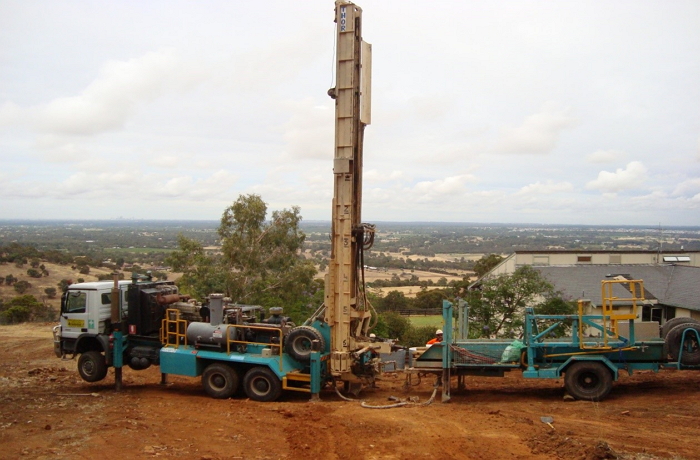
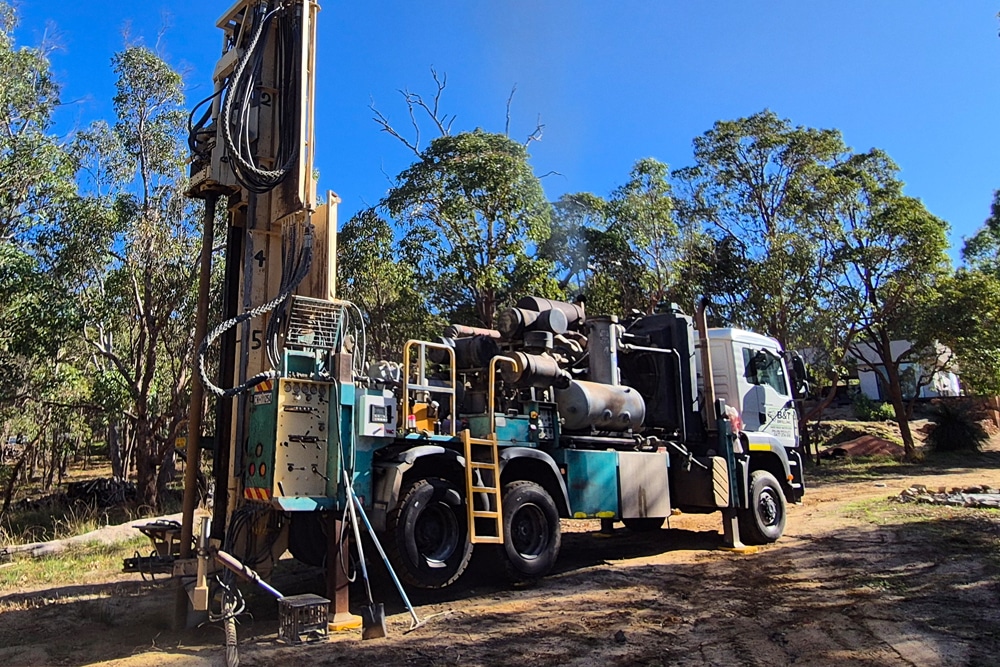
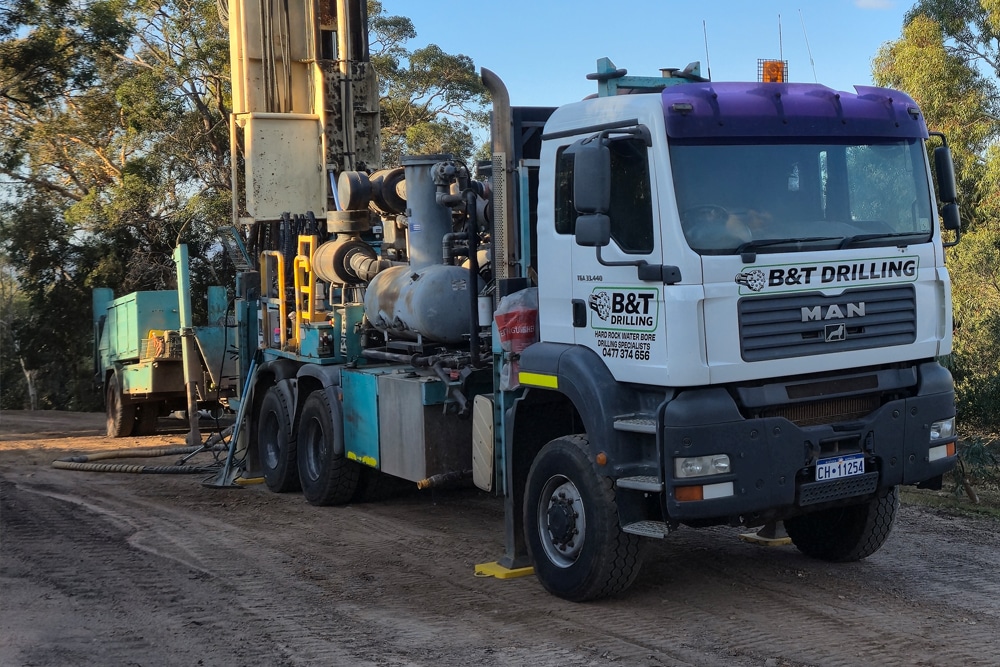
B&T Drilling provides RC drilling services for selected exploration projects across Western Australia. Our equipment is suited to hard-rock formations and remote operating conditions, with each program planned around the geology, target depths, access, site requirements and sampling procedures specified by the client.
RC drilling uses dual-wall drill rods and compressed air to return rock chips to the surface through the inner tube of the drill string. At the surface, the sample passes through the collection system for splitting, bagging and geological assessment.
Our role is to maintain steady drilling operations, follow the nominated sampling procedures and communicate clearly with the geological and site teams throughout the program.
Our Approach To
Reverse Circulation Exploration Drilling
Our approach is based on equipment reliability, safe work practices and careful coordination with the client’s exploration team.
Remote drilling programs can be affected by changing geology, groundwater, access conditions, weather and equipment demands. We prepare our rigs and support vehicles before mobilisation and carry out regular servicing and inspections throughout the program.
Our crews work within the project’s safety and environmental requirements, including site inductions, hazard assessments, equipment inspections and rehabilitation procedures where applicable.
We also understand the importance of consistent sample handling. Drilling and sampling procedures are followed in accordance with the client’s program requirements, with any changes in ground conditions, sample return or drilling performance communicated to the supervising geologist.

How We Work
Mobilisation and Site Setup
The drilling rig, support vehicles and required equipment are mobilised to the project area.
Before drilling begins, our crew completes the required site inductions, equipment checks and hazard assessments. The rig is positioned and set up in accordance with the prepared drill pad, nominated hole location and site safety requirements.
Reverse Circulation Drilling
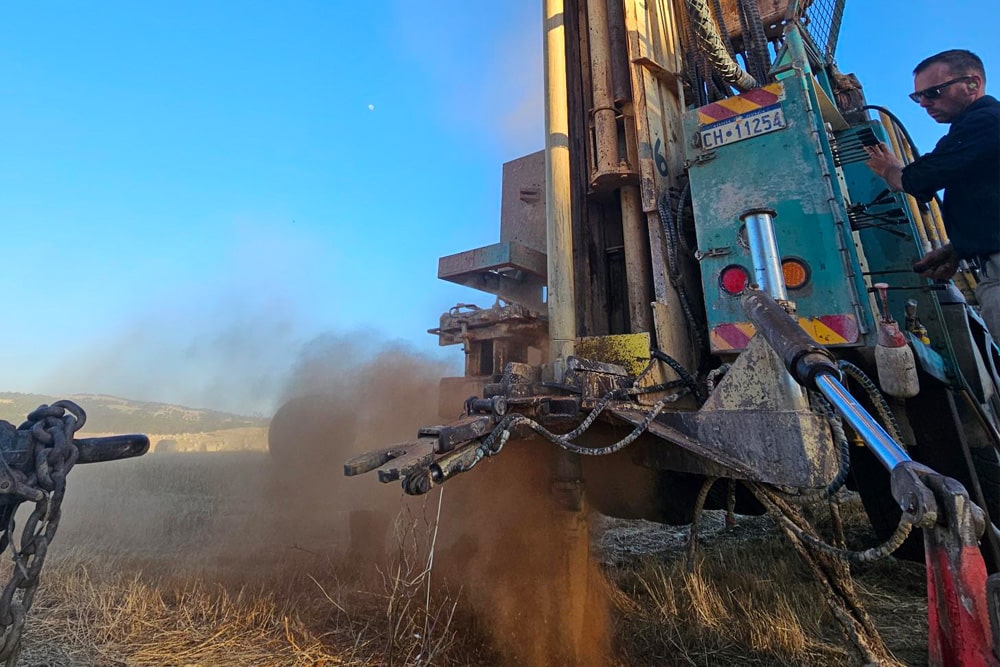
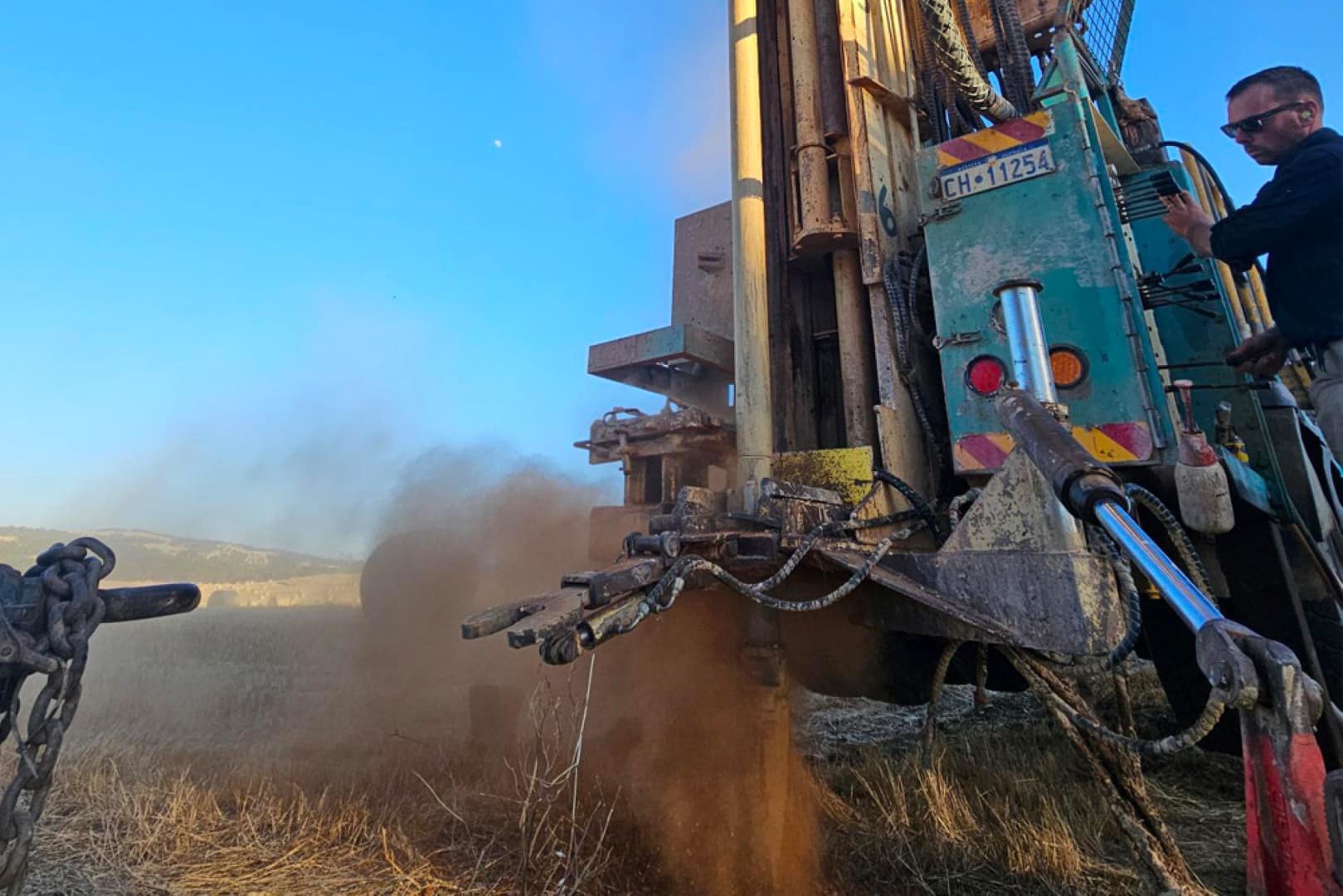
Drilling is completed using pneumatic down-the-hole hammer equipment and dual-wall drill rods.
Compressed air travels down the outer section of the drill string to operate the hammer and return the rock chips through the inner tube. Drilling performance is monitored as the hole advances, with adjustments made to suit the formations and conditions encountered.
Sample Return
Rock chips are carried to the surface through the inner tube of the drill string.
This method helps reduce contact between the returning sample and the surrounding borehole. However, sample recovery and quality may still be affected by groundwater, changing formations, equipment condition and drilling practices.
Our crew monitors sample return and reports any noticeable changes or interruptions to the site geologist.
Sample Collection and Splitting
At the surface, the sample passes through the cyclone and splitting system.
Samples are collected and bagged in accordance with the client’s nominated intervals and procedures. The geological team can then log, store and submit the samples for laboratory analysis.
The exact sampling setup may vary between projects depending on the program design, equipment configuration and the client’s quality-control requirements.
Reverse Circulation Drilling
Essential Questions Answered